PIXEL CADE
A pocket arcade that draws itself. Walk the floor, play the machines, win tickets, spend them on things that change your arcade.
What it is
An arcade you can walk around, on a phone. Twenty-one machines, each one a small game with its own rules and its own trophy board. Tickets you win at the machines are spent at the prize counter on cosmetics that visibly change the arcade you are standing in.
Nothing in the shop makes you better at anything. Every score on every board was set by somebody's thumbs.
What it looks like
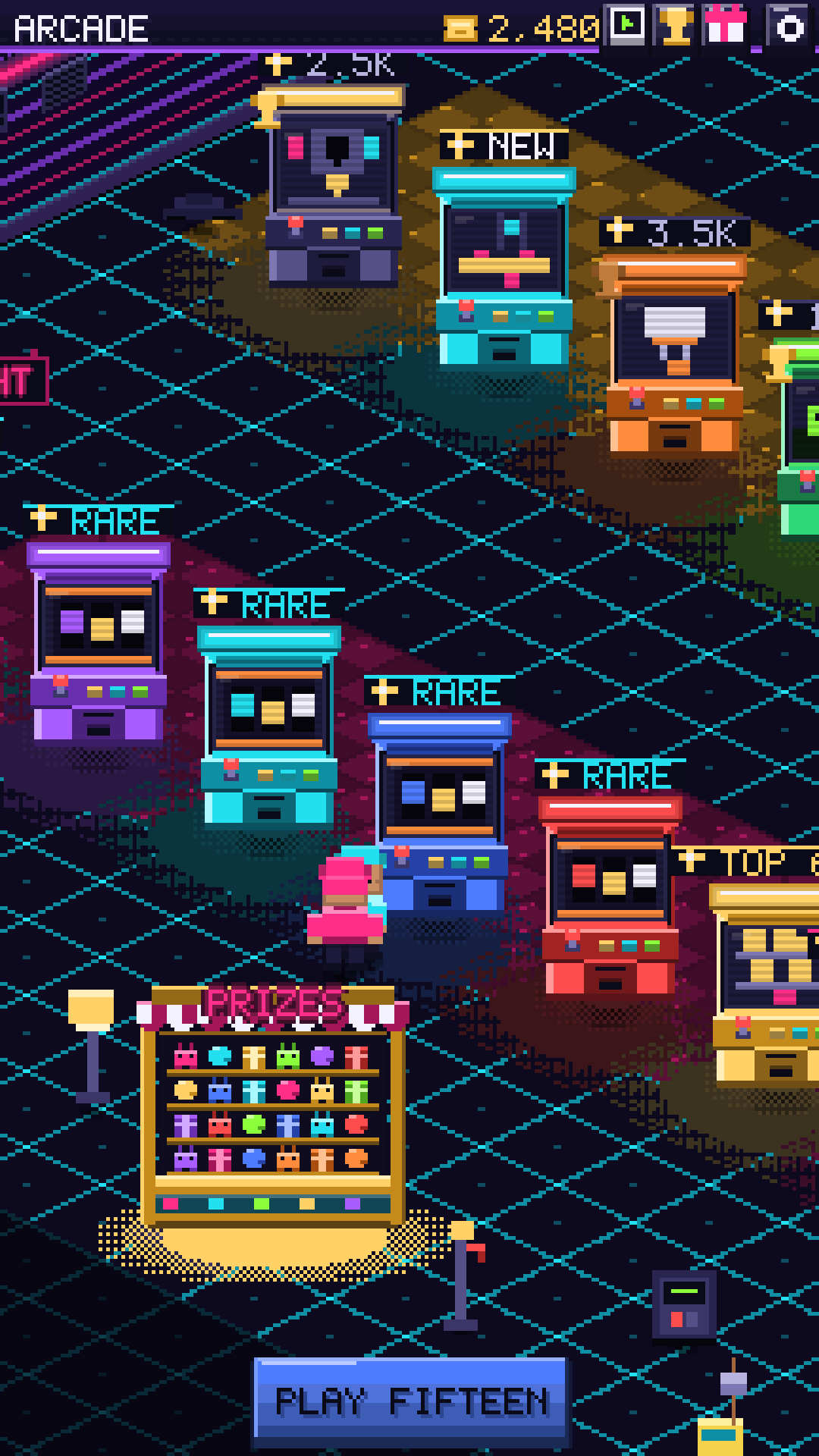
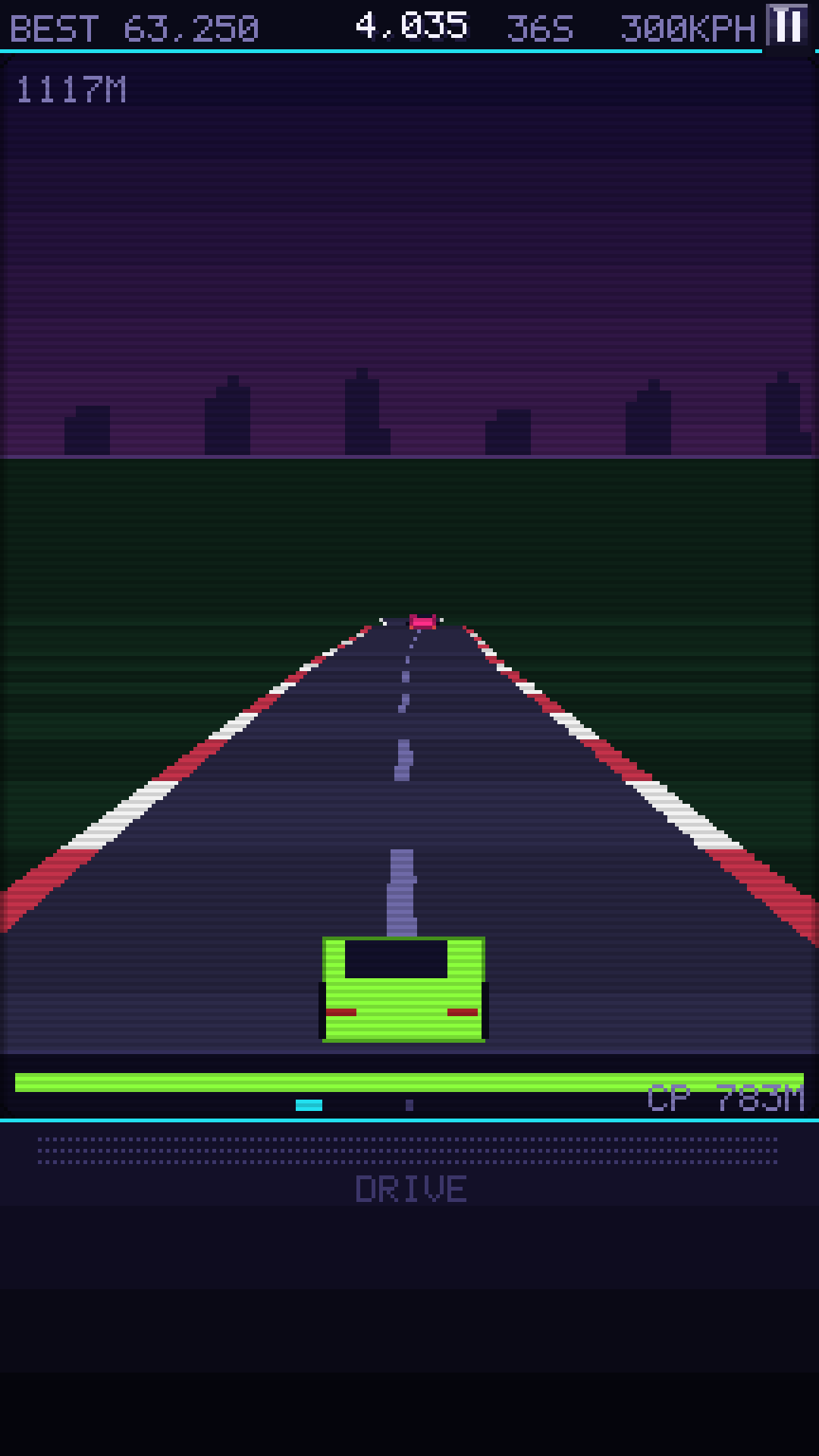
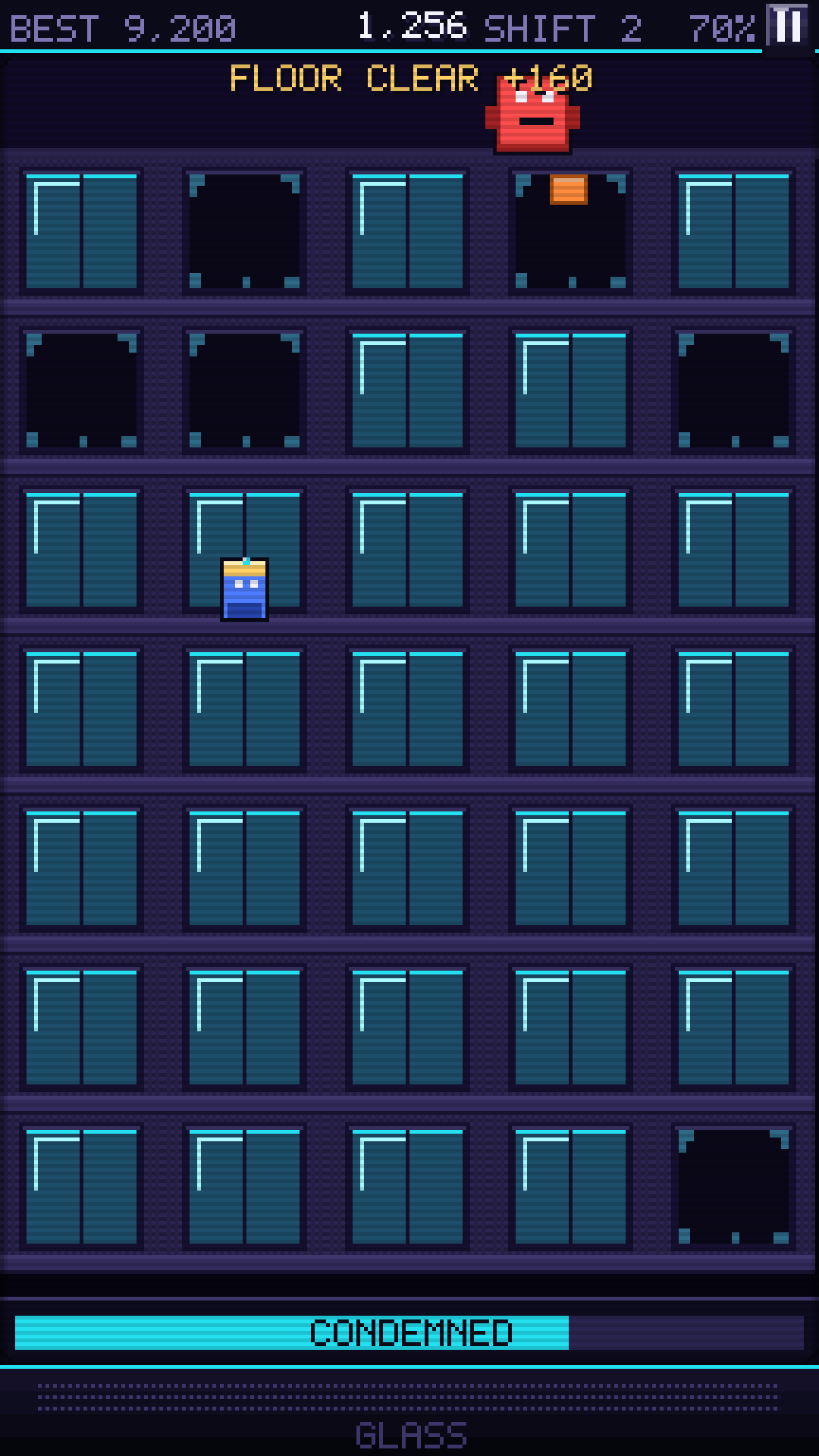
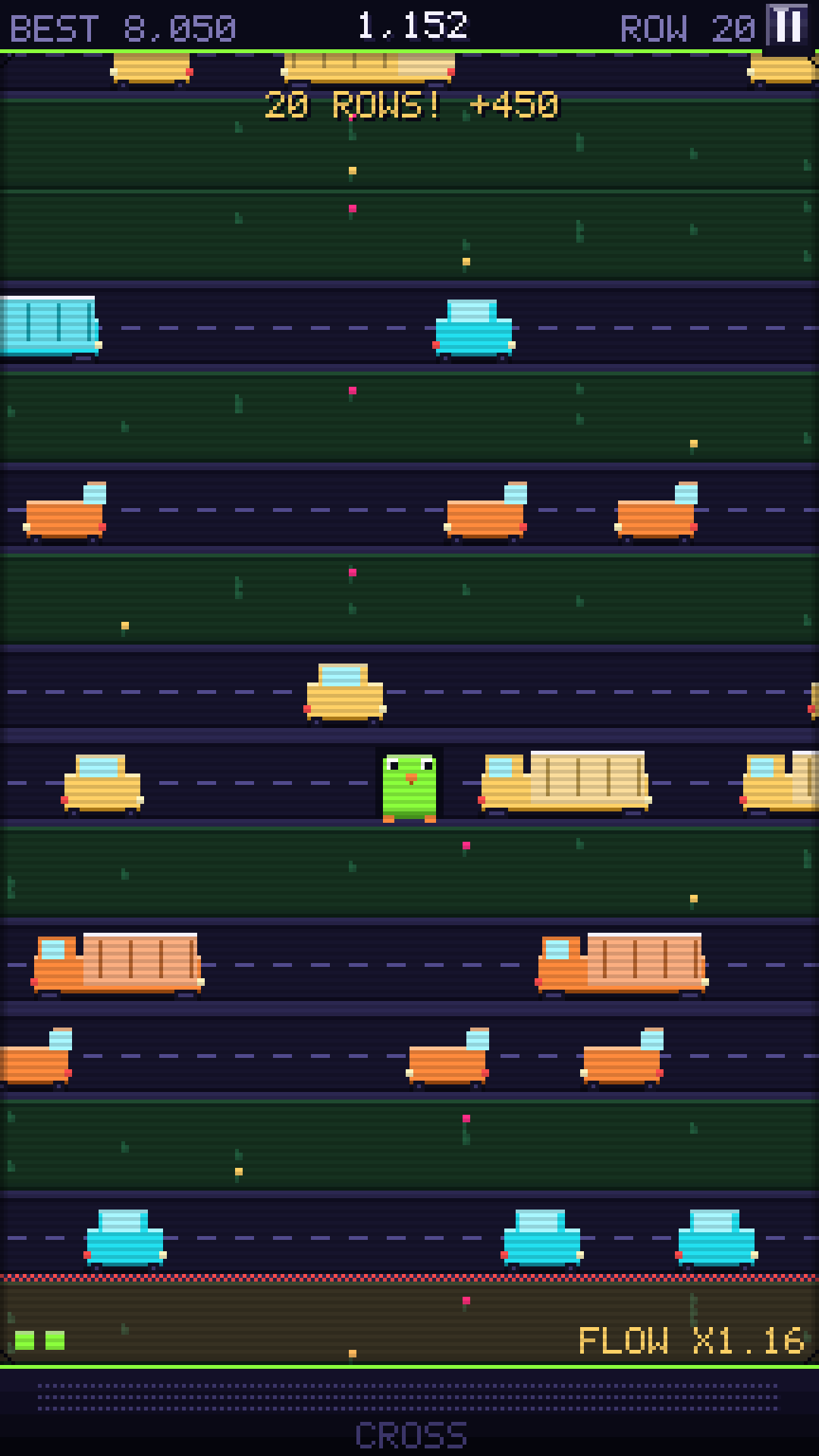
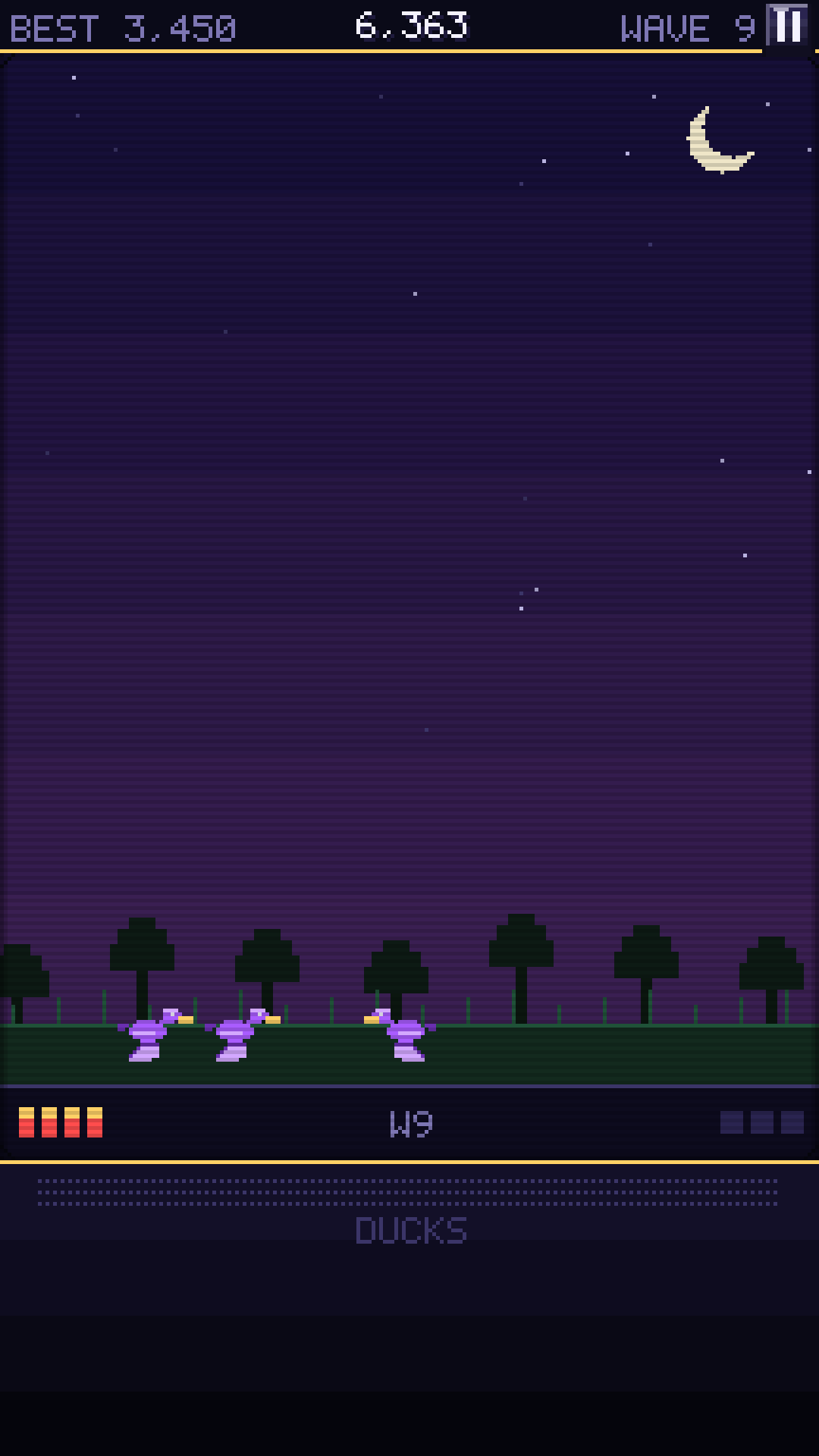
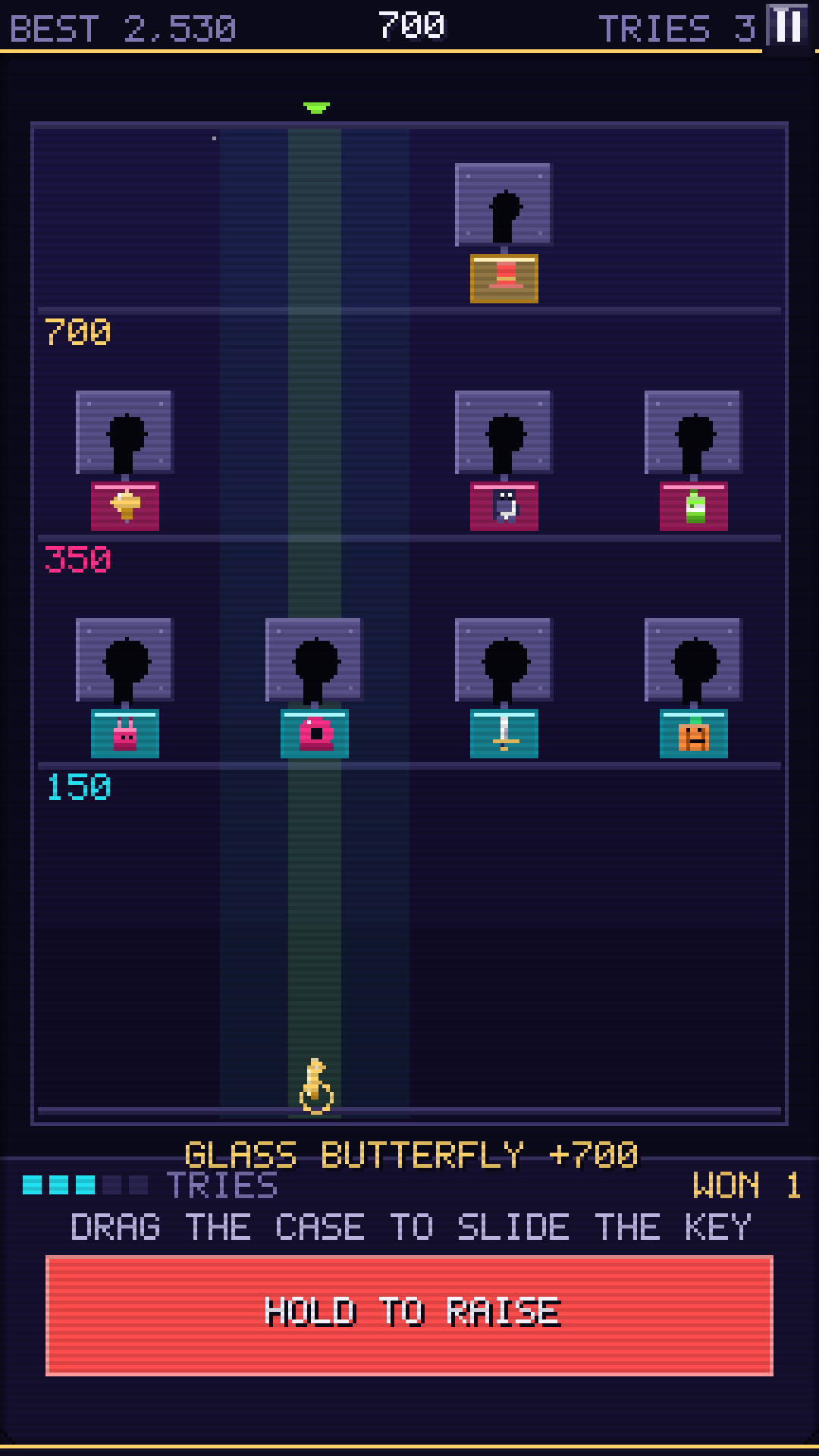


Every one of these is a real frame, taken by a script that plays the game headlessly — not a mock-up, and not a lucky screen grab.
How it treats you
No forced ads
Video ads are opt-in only — a doubler you choose, a continue you choose. There is one app-open ad, frequency-capped. Nothing you want to do is behind an ad you did not ask for.
Nothing to buy
No in-app purchases, no currency for sale, no loot boxes, no wagering. Tickets are earned by playing and spent on cosmetics.
No account, no server
There is nothing to sign up for. Your progress lives on your own phone. There is no Pixel Cade server for it to be sent to.
Every machine is beatable
Difficulty is tuned by measurement, not by feel: every bronze trophy is set above what random input can reach, and every machine is checked to make sure skill — not luck — is what moves the score.
The floor
ACTION
PRECISION
MIDWAY
PUZZLE
How it is built
Pixel Cade ships with no image files, no audio files and no fonts. Every sprite, every sound effect and the entire typeface are generated in code the moment the game starts. That is why it is small, and why it looks the same on every screen it lands on.
It is a vanilla JavaScript game running in an Android WebView, written by one person. The whole thing is open on GitHub, including the notes on why each machine is tuned the way it is.
Support
Found a bug, or a machine that feels unfair? Please open an issue on GitHub — it goes straight to the person who made it.